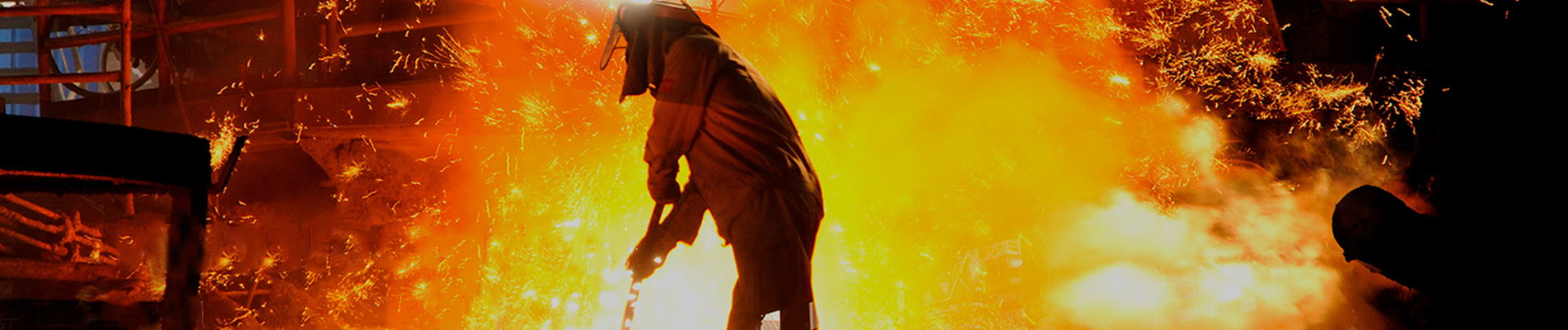
Before adding fire sleeve to asphalt equipment, mark the heat source on the drawing. It may be an exhaust component beside a hydraulic hose, or it may be the hot product inside a transfer line. Those situations need different thermal protection specifications.
Fire sleeve for hot asphalt equipment is an external covering, not a hose for carrying asphalt. Around a hydraulic line, its role is to limit exposure to surrounding heat. Around a heated process line, its role must be defined within the complete insulation and temperature-control design.
For equipment manufacturers, hose assemblers and maintenance buyers, the useful starting point is a line-by-line review. The BSTFLEX fire sleeve range includes tubular and openable silicone-coated fiberglass constructions for evaluating these requirements.
Start by identifying the external source: engine exhaust, a heated surface or a nearby process line. Review routing and separation before selecting the cover. A sleeve should supplement a suitable route, not justify laying the hose against the heat source.
The BSTFLEX hydraulic hose fire sleeve is a product starting point for construction machinery and industrial hydraulic assemblies exposed to external heat. Specify the protected section and its operating environment rather than requesting protection for every hose on the machine.
Also check the hydraulic fluid temperature. A protective sleeve is not a cooling device and cannot correct excessive heat generated inside the hydraulic system. The hose and fittings retain their original pressure, fluid-compatibility and temperature limits.
Here, establish whether the objective is to reduce heat loss, protect neighboring components or provide an external protective covering over an existing insulation system. Define the required fluid temperature and the operating cycle before choosing the outer material.
Passive insulation slows heat transfer; it does not supply heat. Do not specify a fire sleeve as a guarantee that bitumen will remain pumpable throughout a shutdown. A temperature-maintenance requirement needs a review of the complete line, including heating where required, fittings, insulation and controls.
An asphalt paver, a distributor truck and a stationary transfer installation do not share one hose layout. Use the following locations as inspection prompts, then confirm which apply to the actual machine.
| Location to review | Question to resolve | Useful specification detail |
|---|---|---|
| Engine and exhaust-adjacent hydraulic lines | Where does unavoidable external heat reach the hose? | Heat-source position, separation, protected length and temperature during the operating cycle. |
| Lines serving moving screed or attachment sections | Does the finished cover follow every permitted position without rubbing or restricting movement? | Route drawings in working and transport positions, supports and minimum bend radius. |
| Distributor pump and product-transfer connections | Is the requirement external hose protection or temperature maintenance of the conveyed product? | Circuit identification, product temperature, connection geometry and inspection access. |
| Electrically heated or thermal-oil-heated line assemblies | How does the proposed cover fit the existing heating and insulation design? | Assembly drawing, outer dimensions, heating method, controls and approved covering requirements. |
Keep an asphalt product line distinct from the hydraulic circuit that drives its pump. Similar-looking fittings or neighboring routes do not make those assemblies interchangeable.
For asphalt paver hose protection, record the conditions during warm-up, paving, pauses and the required shutdown sequence. Include the relevant machine configuration: screed position, nearby covers and barriers, and whether heating remains active during a pause.
Separate the surrounding air temperature, the temperature at the sleeve's exposed surface and the permitted temperature of the hose beneath it. Where thermal oil or bitumen flows inside the protected line, record that process temperature separately. These values answer different engineering questions.
A momentary flame-exposure figure is not a continuous-duty specification. Provide the normal exposure duration and any abnormal event the protection is expected to address. The selected sleeve, seam and end treatment should be reviewed against those requirements.
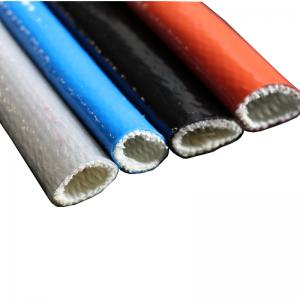
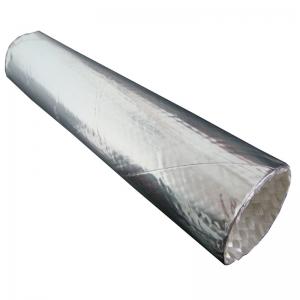
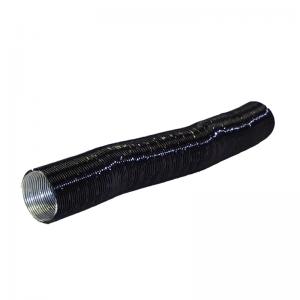
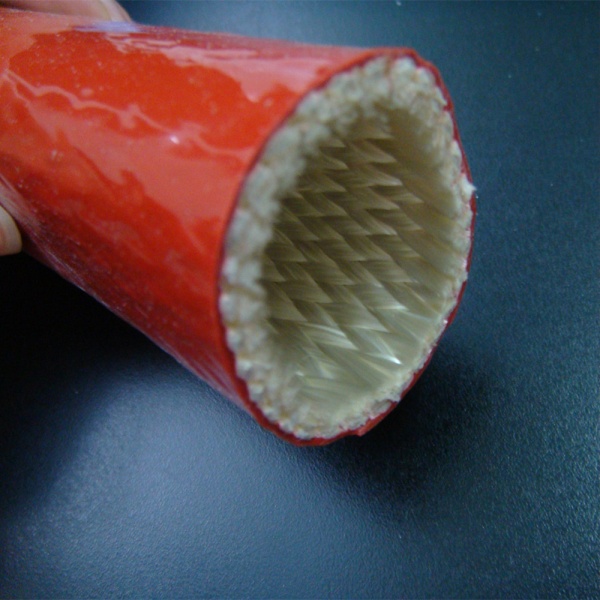
The BSTFLEX EFRS braided silicone fiberglass fire sleeve combines a fiberglass textile body with a silicone rubber coating. Its catalog dimensions provide a starting point for a tubular cover installed during hose assembly or through a suitable end-entry path.
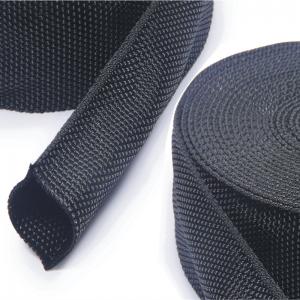
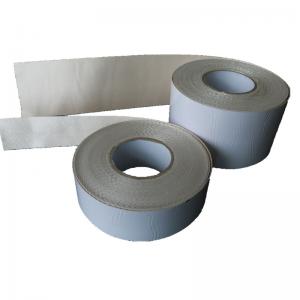
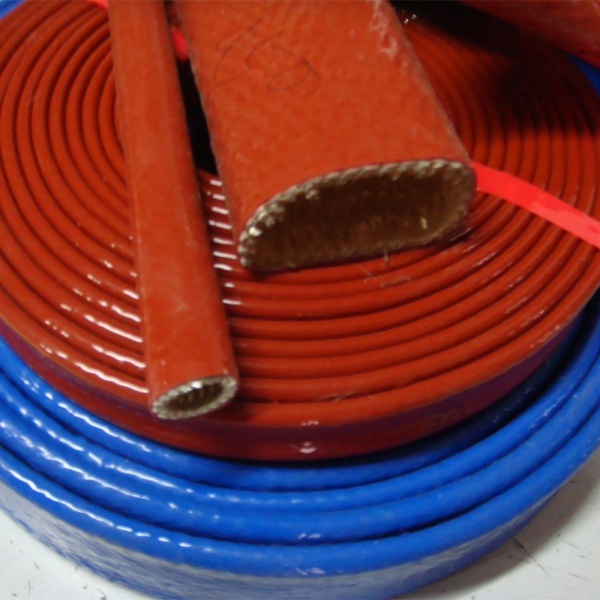
For an existing connected line, evaluate a snap wrap firesleeve when the route gives access to position and close it. Confirm overlap, fastening access and clearance from neighboring parts. An openable cover solves an access problem; it does not remove the need to qualify the finished thermal protection.
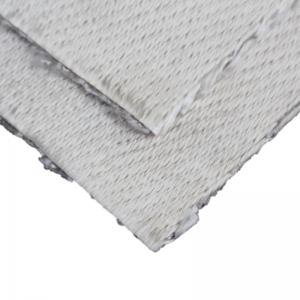
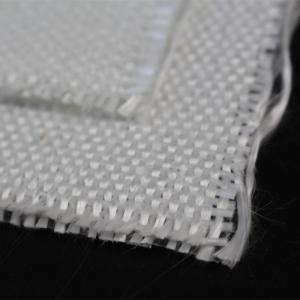
Compare the actual coated samples for wall thickness, flexibility, installed diameter and handling. Avoid choosing a thicker cover automatically: the increased outside dimensions must still fit the supports and moving route.
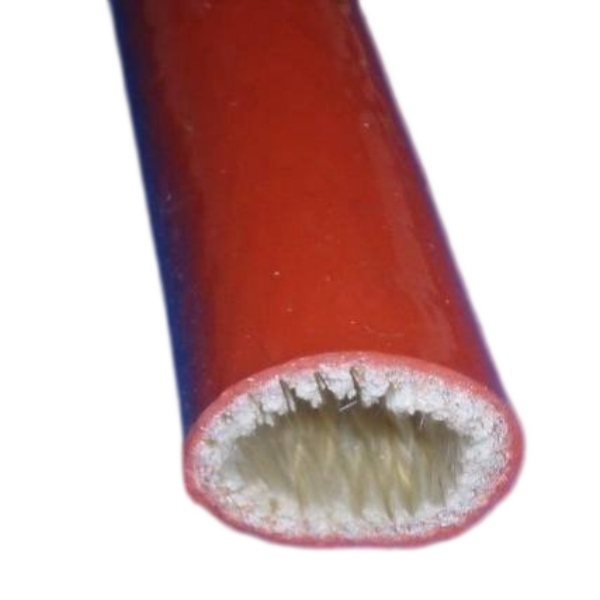
Yes, a fire sleeve can be specified as an outer covering in an engineered heated-hose assembly. That is different from adding an arbitrary layer to an existing temperature-controlled hose.
An electrically heated hose combines a fluid-carrying core, heating elements, temperature sensing, insulation and an external jacket. The outer sleeve is one part of that system. Confirm whether the project requires a replacement of the specified jacket or an additional cover, and have the heated-hose manufacturer approve the change.
Review heat distribution, control response, end connections and the permitted bend radius. Do not cover an electrical connector, move a sensor or change the insulation around a heating element simply to obtain a neater fit. Keep existing moisture and mechanical protection unless an approved design specifically replaces it.
For a thermal-oil-heated assembly, provide the actual construction drawing and distinguish the heat-transfer circuit from the product circuit. A generic description such as "heated bitumen hose" does not identify which surface will be inside the proposed sleeve.
Separate incidental splash from repeated contact, retained deposits or leakage from the line underneath. Tell the supplier which bitumen product, hydraulic fluid, release agent and cleaning products may contact the covering, together with their temperatures and expected contact duration.
Do not infer resistance to hot bitumen or a cleaning chemical from a molten-metal splash result. Likewise, a general oil-resistance statement is not a compatibility approval for every fluid used on paving equipment.
Include the contamination expected in the sample review. Establish how the cover will be inspected and cleaned, and when it must be replaced. Do not assume deposits will shed from the surface or that scraping, solvents or pressure washing are acceptable for every coating and closure.
Before covering a stained area, establish the source. A fire sleeve is not a repair for a leaking hydraulic connection or an asphalt-transfer hose, and it should not conceal a defect that requires attention.
Approve a sleeve in the machine's working and transport arrangements. On extending screeds or folding attachments, examine where the sleeved line changes direction, approaches a bracket or moves relative to another hose.
Measure the finished hose or heated assembly, not just its nominal bore. Account for existing jackets and insulation. The fire sleeve size chart and fitting-clearance guide explains the separate checks for final fit and passage over fittings.
Keep service connections, condition checks and identification accessible. Specify where the cover starts and finishes so repeated replacements preserve the same coverage. Do not use the sleeve as a lifting point or as a strap to restrain a moving hose.
Carry out installation only under the equipment's safe-service procedure, including shutdown, control of stored pressure and other hazardous energy, and cooling to a safe handling condition. Perform any powered movement or operating evaluation through an approved procedure with personnel clear of the equipment.
Consider a hypothetical installation with a hydraulic supply hose and a heated product-transfer line in the same service area. Both need attention, but one specification should not be copied to the other.
For the hydraulic hose, identify the external hot surface and review routing first. Evaluate a sleeve over the remaining exposed section, with acceptance based on hose temperature, coverage and freedom of movement.
For the product line, begin with the required delivery temperature and the existing heating arrangement. Evaluate any fire sleeve outer cover as part of that assembly. The questions include insulation continuity and access at connections, not just whether the tube can slide over the hose.
Separate part references and installation details make future maintenance clearer. A cover approved for one circuit should not become a substitute for the other because its color and diameter happen to match.
Provide a marked photograph or drawing for each protected line. Identify the equipment type, the circuit's function, actual outside dimensions, required coverage and whether the installation is new production or a retrofit.
For hydraulic protection, add the heat-source location, fluid temperature limits, motion and rubbing conditions. For a heated line, include the existing layer construction, required process temperature, heating method and the manufacturer's covering requirements.
State the expected contamination, inspection access and required product documentation. Include sample quantity and production demand, but keep cutting, marking and packaging requirements separate from the engineering acceptance criteria.
Approve a representative finished sample on the intended assembly. Check installation, coverage, movement, closure condition and thermal performance against agreed limits. For a powered heated hose, include approval of the complete operating system rather than relying on a material sample alone.
Not by itself. It addresses specified external exposure, not excess heat generated within the hydraulic circuit. Establish the cause of overheating before deciding whether additional insulation is appropriate.
No. The underlying hose and fittings must already be suitable for the conveyed product, pressure and temperature. Fire sleeve does not provide the fluid-carrying liner or pressure reinforcement.
Do not assume so. Any personnel-contact requirement needs its own surface-temperature assessment under the actual duty. A sleeve's working-temperature rating is not a safe-touch rating.
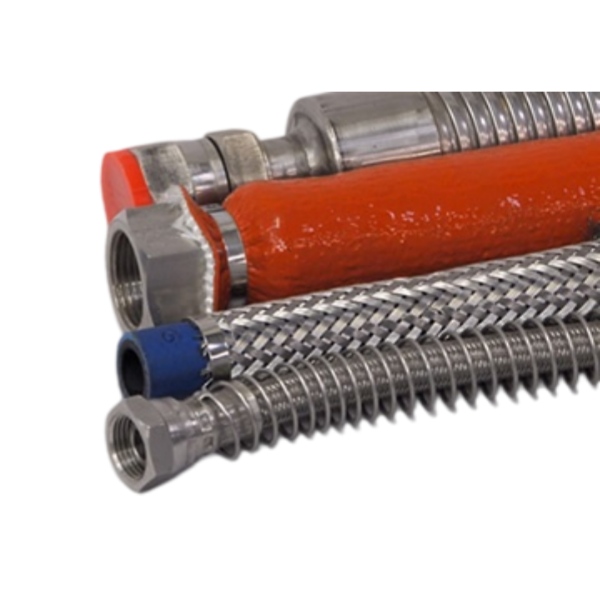
BSTFLEX supplies silicone-coated fiberglass fire sleeves for external hose and cable protection, with special thickness, length and packing options available for review. Tubular and snap-wrap formats allow the protection to be evaluated around the installation method and inspection needs.
For asphalt machinery, send the line drawing and state whether the task is hydraulic hose heat protection or an outer covering for an engineered heated line. This distinction helps define the right sample and the checks needed before production.
Request product data, samples or an OEM fire sleeve quotation with the equipment details, exposure conditions and required quantities.

 English
 français
 Deutsch
 русский
 italiano
 español
 português
 Nederlands
 العربية
 日本語
 Türkçe
 Polski
 Tiếng Việt
 slovenský
 Indonesia