주문 (moq):
1
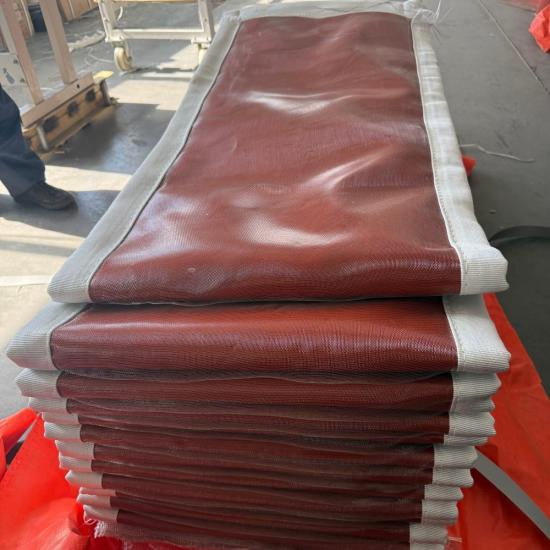
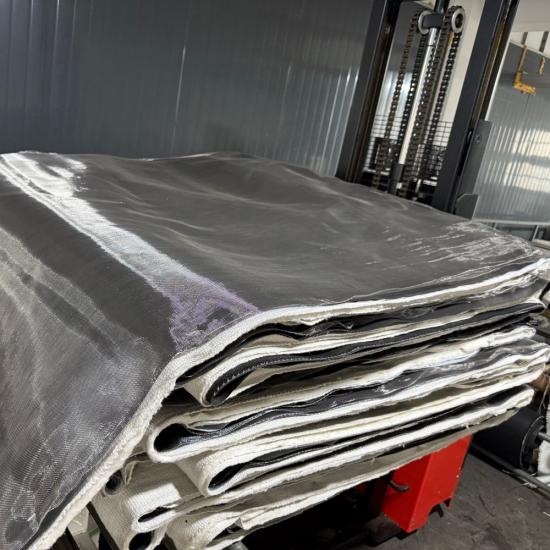
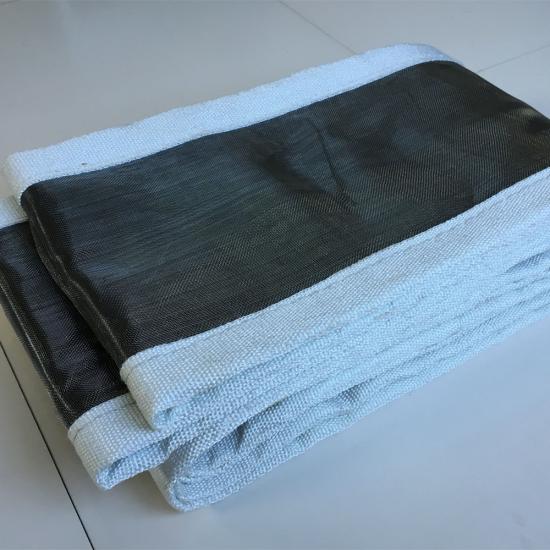
BSTFLEX 비금속 직물 신축 이음쇠이 제품은 산업용 덕트, 온풍, 배기 및 연도 가스 시스템에 맞게 맞춤 설계된 유연한 커넥터로, 열팽창, 진동, 장비 움직임 또는 설치 오차로 인한 하중을 인접한 덕트 및 장비에 과도하게 전달하지 않고 수용해야 하는 경우에 적합합니다.
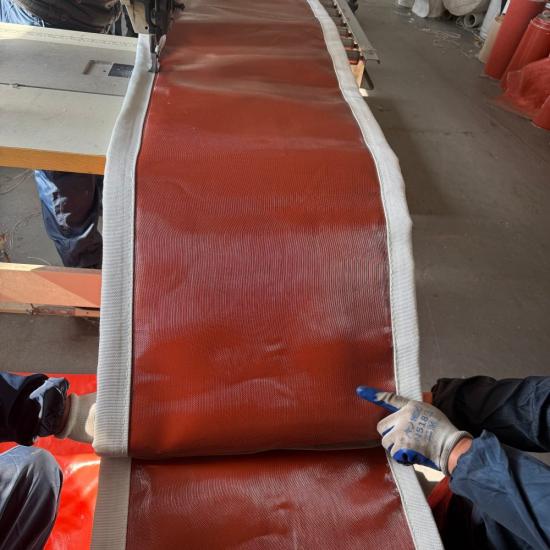
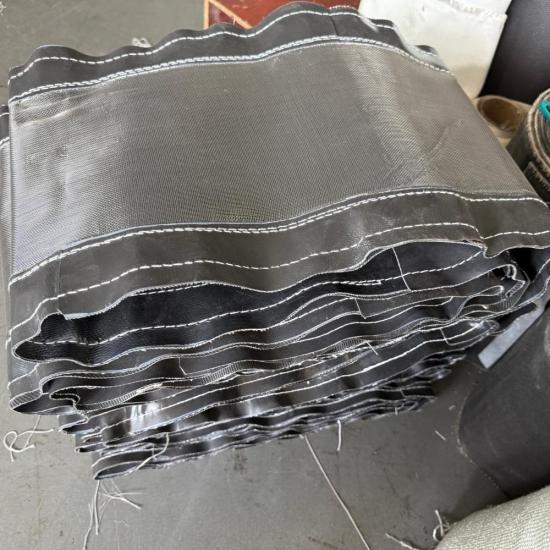
단단한 금속 부품과는 달리,직물 팽창 조인트작동 온도, 가스 조성, 압력 조건, 움직임 요구 사항 및 주변 환경에 따라 선택된 하나 이상의 유연한 섬유, 코팅 직물, 밀봉 및 단열층을 사용합니다. 유연한 요소는 두 덕트 부분 사이의 연결을 안정적으로 유지하면서 축 방향, 측면 방향 및 각도 변위를 수용할 수 있습니다.
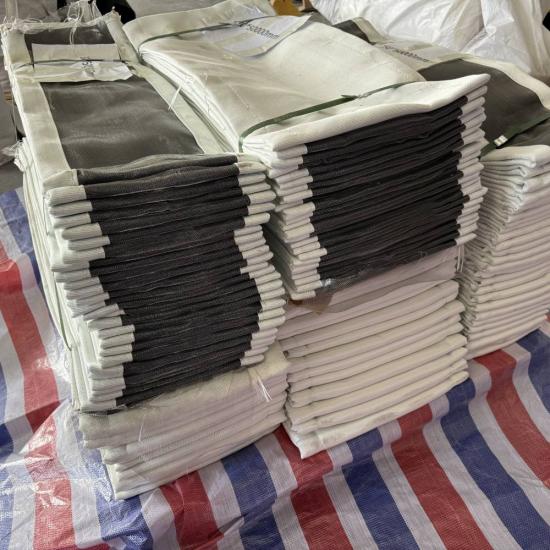
BSTFLEX는 원형, 직사각형, 정사각형 및 용도별 맞춤형 제품을 제조합니다.비금속 팽창 조인트OEM 장비 제조업체, 덕트 시공업체, 발전 시스템, 시멘트 공장, 철강 가공 설비, 산업용 용광로, 환기 시스템 및 기타 고온 공정 설비에 사용됩니다.
| 제품 | 비금속 직물 신축 이음 |
| 다른 이름 | 패브릭 신축 이음쇠, 패브릭 덕트 신축 이음쇠, 복합 패브릭 신축 이음쇠, 비금속 보상기 |
| 건설 | 단층 또는 다층 유연 구조 |
| 모양 | 원형, 직사각형, 정사각형 및 사용자 지정 모양 |
| 움직임 | 축 방향, 측면 방향, 각도 방향 및 복합 운동 |
| 일반적인 미디어 | 고온 공기, 배기가스, 연도 가스 및 산업 공정 가스 |
| 재료 | 온도, 매체, 화학 물질 노출, 마모 및 기계적 요구 사항에 따라 선택됩니다. |
| 크기 | 도면 또는 설치 치수에 따라 맞춤 제작됩니다. |
| 애플리케이션 | 산업용 덕트, 배기, 용광로, 보일러, 팬 및 공정 공기 시스템 |
에이비금속 직물 팽창 조인트덕트 또는 장비의 각 부분 사이에 설치되는 유연한 연결 장치로, 시스템에 스트레스를 유발할 수 있는 움직임을 보정하는 역할을 합니다. 열팽창은 움직임의 가장 흔한 원인 중 하나이지만, 진동, 장비 변위, 제작 공차 및 구조적 움직임 또한 제어해야 할 수 있습니다.
유연한 본체는 일반적으로 성형된 금속 벨로우즈 대신 엔지니어링 섬유 및 코팅 직물 층으로 제작됩니다. 사용 조건에 따라 가스 밀봉막, 보강 직물, 단열재 및 내부 보호층이 구조에 포함될 수 있습니다.
이 구조물은직물 팽창 조인트특히 대형 덕트 단면적, 고온의 기체 매체 및 여러 방향으로의 움직임이 필요한 응용 분야에 적합합니다.
산업용 덕트 시스템은 작동 온도 변화에 따라 팽창 및 수축합니다. 이러한 움직임이 완전히 억제될 경우, 열 응력이 덕트 벽, 플랜지, 팬, 장비 연결부 및 지지 구조물로 전달될 수 있습니다.
유연한직물 덕트 팽창 조인트인접한 부분 사이에 제어된 이동 영역을 생성합니다. 덕트가 팽창, 수축 또는 이동할 때, 전체 변위를 강체 부품에 강제로 적용하는 대신 유연한 부분이 형상을 변경합니다.
이음매의 형상 및 시스템 설계에 따라 신축 이음매는 다음과 같은 기능을 수용할 수 있습니다.
모든 산업용 팽창 이음매에 적합한 단일한 직물 구조는 없습니다. 신뢰할 수 있는 설계는 실제 작동 조건에서 시작됩니다.
다층 시스템은 각각 다른 작업을 수행하는 여러 기능 계층을 포함할 수 있습니다.
가스 밀봉층은 공정 매체의 누출을 방지하는 데 도움을 주며, 온도, 가스 조성, 습도, 화학 물질 노출 및 압력 조건에 따라 선택됩니다. 적용 분야에 따라 코팅된 유리 섬유 또는 불소수지 기반 재료를 고려할 수 있습니다.
보강층은 유연한 요소에 치수 안정성과 기계적 지지력을 제공합니다. 직조 유리 섬유 및 기타 기능성 섬유는 요구되는 기계적 및 열적 특성에 따라 선택할 수 있습니다.
고온 시스템에서는 외부 밀봉재에 도달하는 온도를 낮추기 위해 단열층이 필요할 수 있습니다. 단열재의 두께와 재질은 가스 온도, 외부 온도 제한 및 접합부 형상을 고려하여 설계해야 합니다.
팽창 이음매가 고속 가스 흐름, 미립자 물질 또는 마모성 매체에 노출되는 경우, 유연한 요소에 대한 직접적인 충격을 줄이기 위해 내부 보호 시스템 또는 유동 라이너가 필요할 수 있습니다.
재료 선택은 가장 중요한 부분 중 하나입니다.비금속 팽창 조인트 설계BSTFLEX는 광범위한 분야에서 활동합니다.고온 직물또한 코팅 처리된 기능성 섬유를 사용하여 다양한 산업 환경에 맞게 유연한 구조를 적용할 수 있습니다.
| 재질 유형 | 일반적인 기능 | 선정 시 고려 사항 |
|---|---|---|
| 유리섬유 직물 | Reinforcement and thermal-resistant textile layer | Temperature, weight, weave and mechanical strength |
| Silicone Coated Fiberglass | Flexible outer or sealing layer | Temperature, weather resistance, flexibility and environment |
| PTFE Coated Fabric | Gas sealing and chemical-resistant layer | Chemical compatibility, temperature and process media |
| Silica Fabric | High-temperature thermal protection layer | Temperature exposure and insulation requirement |
| Insulation Materials | Reduction of temperature through the joint construction | Operating temperature and required external surface temperature |
| Metal Mesh or Internal Liner | Mechanical or flow protection where required | Gas velocity, abrasion, particles and installation geometry |
For particularly demanding thermal environments, BSTFLEX can evaluate high-silica textile solutions such as96% high temperature silica fabricas part of the overall thermal protection system where technically appropriate.
The final material combination should always be determined from actual application data rather than temperature alone.
Ahigh temperature fabric expansion jointis not defined by one universal maximum temperature. The permissible operating temperature depends on the complete joint construction, including the hot-face protection, insulation package, reinforcement fabric, gas seal membrane, external cover and the temperature distribution through those layers.
For this reason, BSTFLEX evaluates both process temperature and the temperature expected at individual layers of the expansion joint. This approach allows the materials to be selected for their actual operating environment rather than relying on a single generic temperature rating.
When requesting a high-temperature joint, provide the normal operating temperature, maximum or upset temperature, exposure duration and process medium wherever possible.
BSTFLEX manufactures expansion joints according to the shape and dimensions of the customer's ducting system.
Arectangular fabric expansion jointis commonly used on large industrial ductwork, boiler systems, air-handling equipment, furnace connections and flue-gas ducts. Corner geometry, movement distribution and attachment design require particular attention because stress is not distributed in the same way as on a circular joint.
Round and circular fabric expansion joints are suitable for cylindrical duct systems, fan connections, exhaust lines and process-air installations. Diameter, face-to-face length and movement requirements can be manufactured according to the installation.
Non-standard shapes, transitions and asymmetric configurations can be evaluated when standard round or rectangular joints cannot match existing equipment.
Different attachment arrangements can be supplied depending on the duct design and replacement requirements.
Belt-type fabric expansion jointsuse a flexible belt attached to mating metalwork and are suitable for many large industrial duct applications.
Flanged fabric expansion jointscan be manufactured as complete assemblies where the flexible element, insulation components and supporting metalwork are supplied as an integrated unit.
For replacement projects, BSTFLEX can manufacture according to customer drawings, dimensional records or available sample information.
BSTFLEXnon metallic fabric expansion jointscan be engineered for a broad range of hot-air and process-gas ducting systems.
Fabric joints can be used in boiler ducting, flue-gas handling systems, fan connections and other large gas-transport ducts where thermal movement and vibration need to be isolated.
Cement production involves large ductwork exposed to heat, dust and continuous equipment movement. Expansion joints may be used around kiln-related ducting, process-air systems, fans and gas-handling equipment.
Furnace exhaust, hot-air ducts and process ventilation systems may require flexible connections capable of accommodating thermal growth while operating around demanding high-temperature equipment.
Where process gases contain corrosive constituents, joint materials should be selected according to chemical compatibility as well as temperature.
Fabric joints can compensate for expansion between heated equipment and downstream ductwork while helping isolate movement and vibration.
Flexible expansion joints can reduce the transmission of mechanical vibration between fans, blowers and rigid ducting.
High-temperature exhaust and hot-gas systems often require a flexible transition capable of accommodating repeated thermal cycles and installation movement.
| Design Factor | Fabric Expansion Joint | Metal Expansion Joint |
|---|---|---|
| Flexible Element | Technical fabric or composite textile construction | Formed metallic bellows |
| Typical System | Industrial ducting and gaseous-media systems | Pipe and process systems including higher-pressure service |
| Large Cross Sections | Well suited to large duct dimensions | Possible but design becomes more complex |
| Multidirectional Movement | Can accommodate axial, lateral and angular movement | Depends strongly on bellows configuration |
| Vibration Isolation | Good flexibility for fan and duct connections | Application dependent |
| Material Selection | Composite layers can be selected for thermal and chemical conditions | Determined mainly by metal alloy and bellows design |
The correct choice depends on pressure, temperature, process medium, duct geometry, required movement and applicable engineering standards. Fabric and metallic expansion joints should therefore not be treated as universally interchangeable products.
Selecting an expansion joint only by duct size or maximum temperature is not sufficient. Several operating parameters interact with each other and influence the appropriate construction.
The following information should be evaluated:
Providing this information allows the flexible element and supporting components to be selected around the real service conditions.
For faster engineering evaluation and quotation, send as much of the following information as available:
| Duct Size | Diameter or width × height |
| Joint Shape | Round, rectangular, square or custom |
| Installation Length | Face-to-face dimension |
| Operating Temperature | Normal continuous temperature |
| Maximum Temperature | Maximum or upset temperature and duration |
| Pressure | Normal and design pressure |
| Process Medium | Air, flue gas, exhaust gas or other process gas |
| Axial Movement | Compression and extension |
| Lateral Movement | Required offset movement |
| Angular Movement | Required angular displacement if applicable |
| Environment | Indoor, outdoor, chemical, dusty, wet or abrasive |
| Drawing | PDF, CAD drawing, dimensional sketch or existing joint details |
| Quantity | Prototype, replacement quantity or production requirement |
Industrial expansion joints are frequently project-specific components rather than standard catalogue parts. BSTFLEX supports customized manufacturing according to drawings, dimensional requirements and operating conditions.
Custom options may include:
Because BSTFLEX also works directly with thermal protection textiles and coated high-temperature fabrics, material construction can be evaluated as part of the expansion joint design instead of treating the flexible element as a generic component.
BSTFLEX focuses on engineered thermal protection and technical textile products for industrial applications. Our manufacturing capabilities cover high-temperature woven fabrics, coated fabrics, insulation materials and fabricated thermal components, providing a practical material base for customfabric expansion jointprojects.
A non metallic expansion joint is a flexible connection used primarily in ducting and gaseous-media systems to accommodate thermal expansion, vibration, misalignment and multidirectional movement. Its flexible element is normally manufactured from technical fabrics, coated textiles, insulation and other non-metallic materials selected according to the operating environment.
A fabric expansion joint uses a flexible textile or composite membrane, while a metallic expansion joint normally uses formed metal bellows. Fabric joints are widely used on large industrial ducts and gas-handling systems, while metallic bellows are common in piping and applications where system pressure or process requirements favor metallic construction.
Yes. Properly designed fabric expansion joints can accommodate axial, lateral and angular movement as well as combinations of these movements. The required movements must be provided during design so the joint geometry can be selected correctly.
There is no single temperature rating for every fabric expansion joint. Temperature capability depends on the flexible membrane, insulation package, hot-face protection, sealing material and overall joint construction. BSTFLEX selects the material system according to the normal operating temperature, maximum temperature and exposure conditions.
Depending on the application, materials may include fiberglass fabric, silicone-coated fiberglass, PTFE-coated fabric, silica fabric, insulation materials and metallic protective components. Each layer is selected according to its specific function.
Yes. Fabric expansion joints are widely applicable to industrial flue-gas and hot-gas ducting when the construction is engineered for the process temperature, chemical composition, moisture, pressure, gas velocity and movement requirements.
Yes. BSTFLEX manufactures rectangular, round, square and other custom configurations according to duct dimensions and installation requirements.
In many cases, yes. Dimensional measurements, photographs, operating conditions and information from the existing expansion joint can be used for an initial evaluation. A complete drawing or physical sample provides additional information when available.
The most useful information includes duct dimensions, joint shape, face-to-face length, operating and maximum temperature, pressure, process medium, axial movement, lateral movement, angular movement, gas velocity, chemical exposure, flange arrangement and required quantity. Drawings are strongly recommended where available.
교체용 신축 이음쇠를 찾고 계시거나 새로운 산업용 덕트 시스템을 개발 중이시라면, BSTFLEX에 도면과 작동 조건을 보내주십시오. 저희 팀은 귀사의 용도에 필요한 형상, 치수, 유연 재질, 단열 구조 및 움직임 요구 사항을 평가해 드립니다.
견적을 받으시려면 다음 정보를 제공해 주십시오.덕트 치수, 온도, 압력, 처리 매체, 이동 요구 사항, 설치 길이, 수량 및 사용 가능한 도면.
패브릭 신축 이음매 시공 프로젝트에 대한 견적을 요청하세요.
이전:
티그 핑거 방열판다음:
사출기 배럴 단열 블랭킷당신은 질문이나 제안 사항이 있으면, 우리에게 메시지를 남겨주세요, 우리는 우리가 할 수있는 한 빨리 회신 해 드리겠습니다!

 English
 français
 Deutsch
 русский
 italiano
 español
 português
 Nederlands
 العربية
 日本語
日本語 Türkçe
 Polski
 Tiếng Việt
 slovenský
 Indonesia